Executed at TAC, Eindhoven (NL) in 2025.
Performing: Simone Schuffelen, Charly van der Eerden, Anne Kolbe
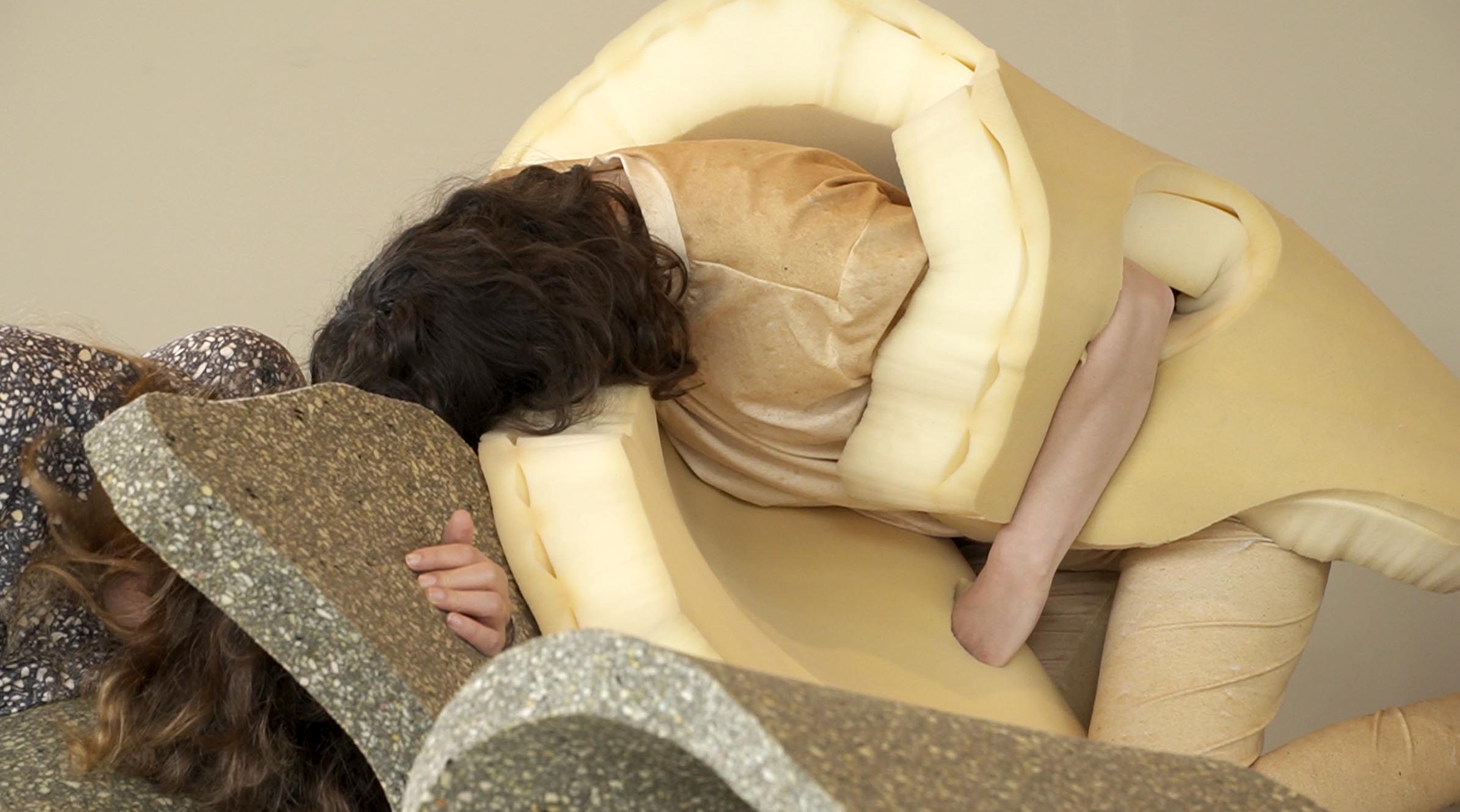

Uncomfortable Bodies
While some bodies thoughtlessly sink into space, others can never quite land. They falter, arrive late, or fail to appear altogether, falling off-beat and interrupting the smooth rhythm of a world built for seamless momentum. For a long time, I was led to perceive these bodies as anomalies. Inhabiting one myself, I felt cast outside the ordinary course of things. Yet, as the pace of the world grew increasingly unlivable, a different realization emerged: perhaps bodies like mine do not simply fail to adapt, but rather make visible what other bodies are merely better equipped to conceal.
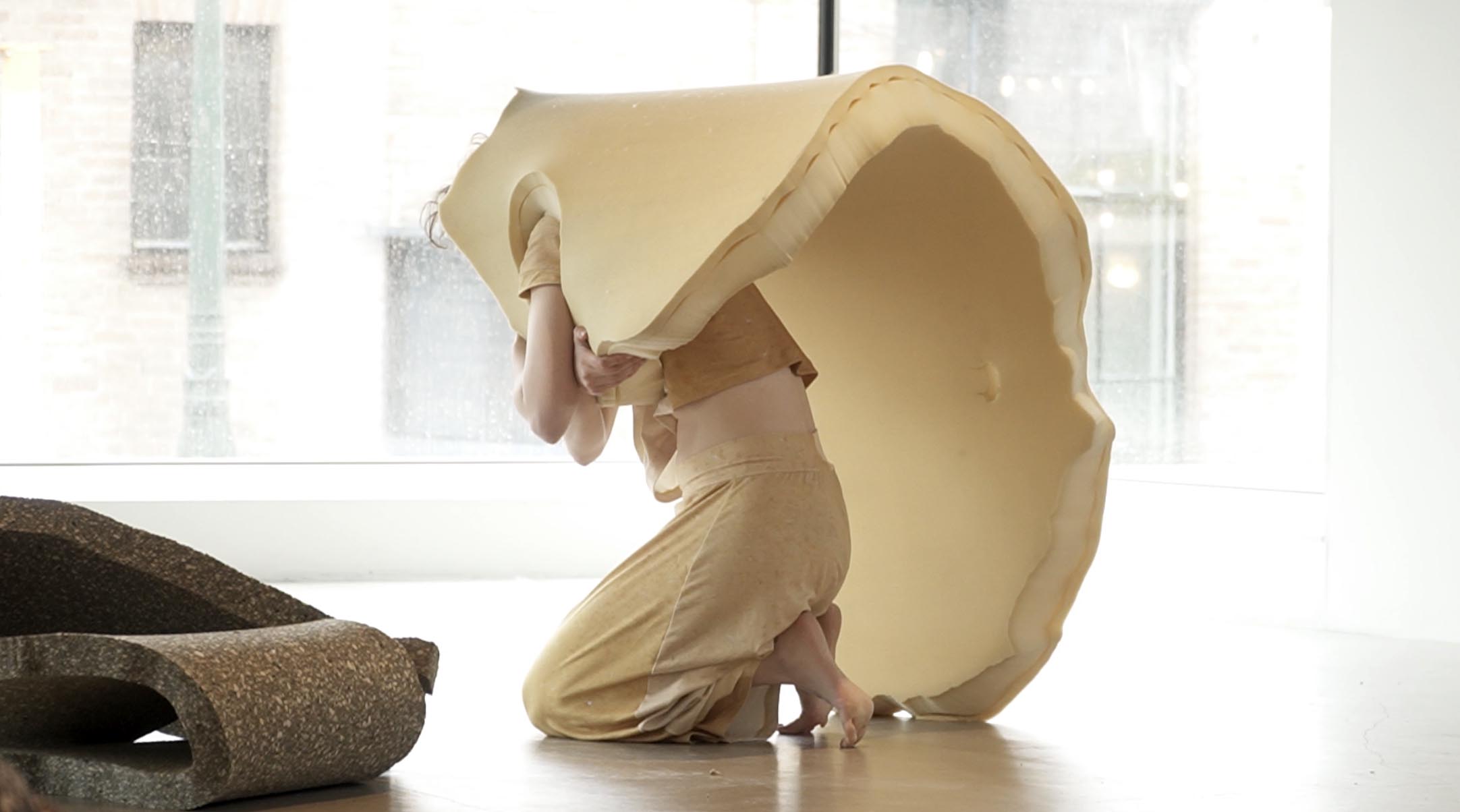
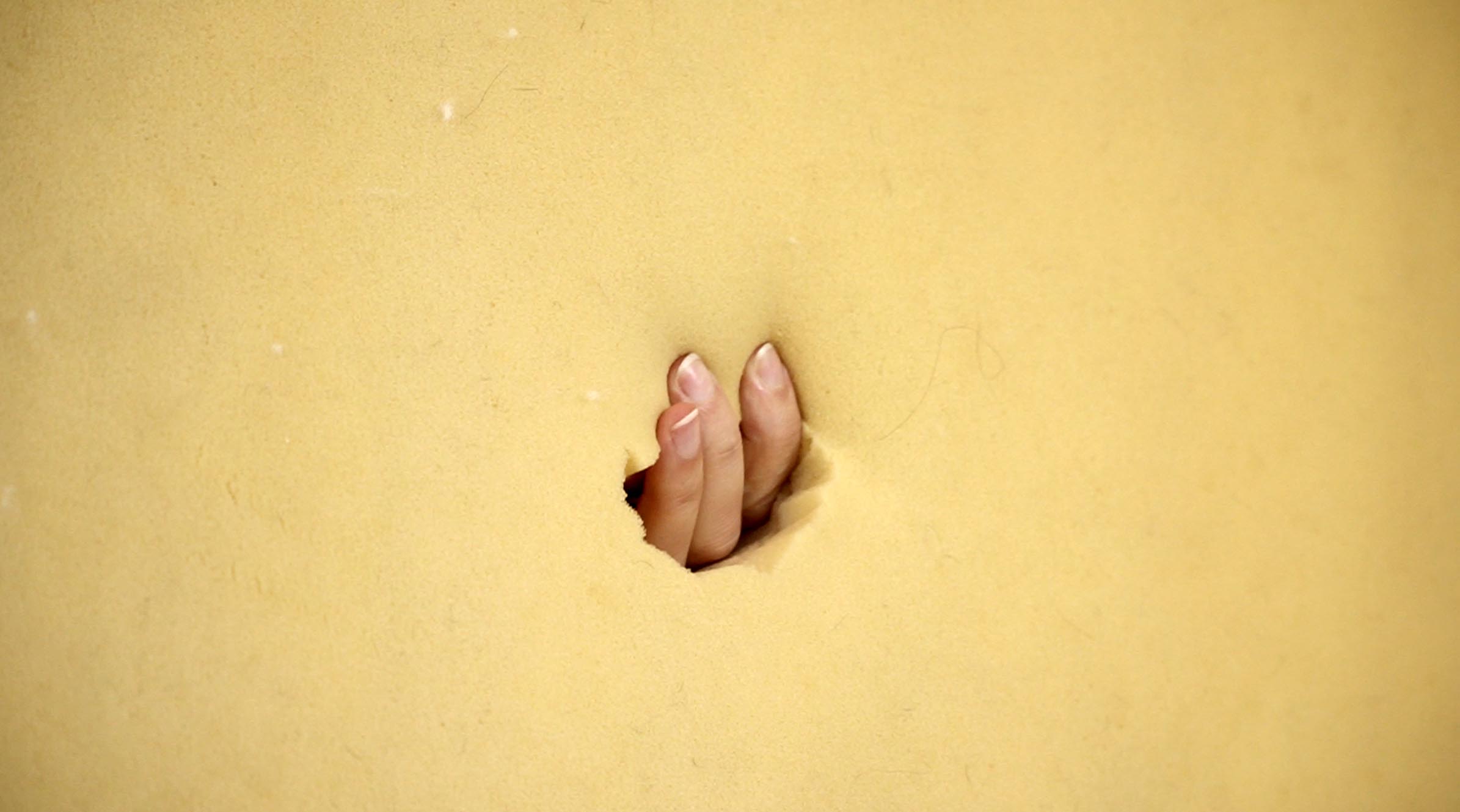
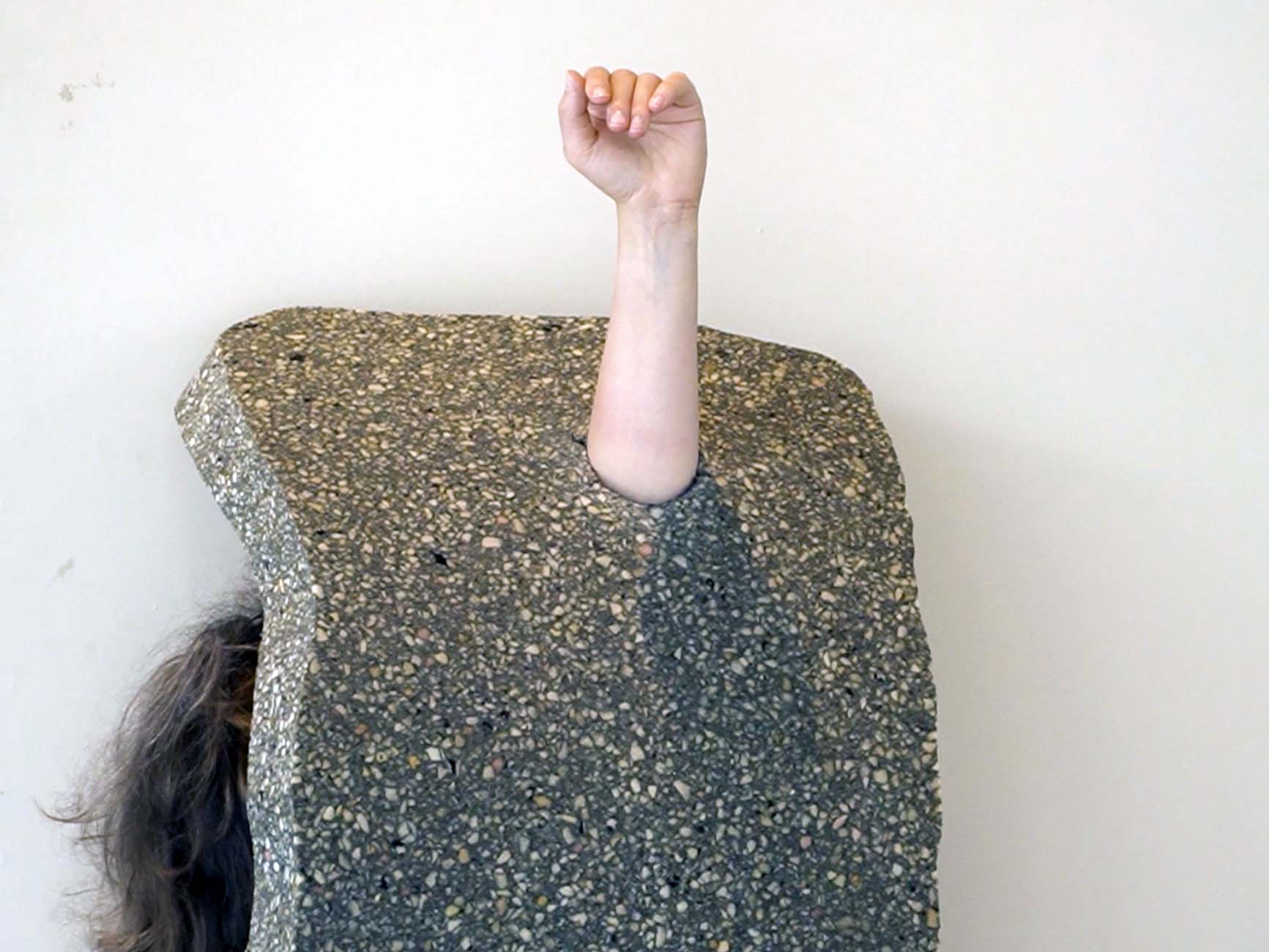
This awareness invites a shift in perspective: a mode of thinking rooted in softness. Softness, in this sense, is a continuous reorientation, a relentless bodily attunement. When a body cannot move forward thoughtlessly and when it must perpetually negotiate with pain, exhaustion, illness, or sensory overload, it develops a knowledge born directly at the skin.
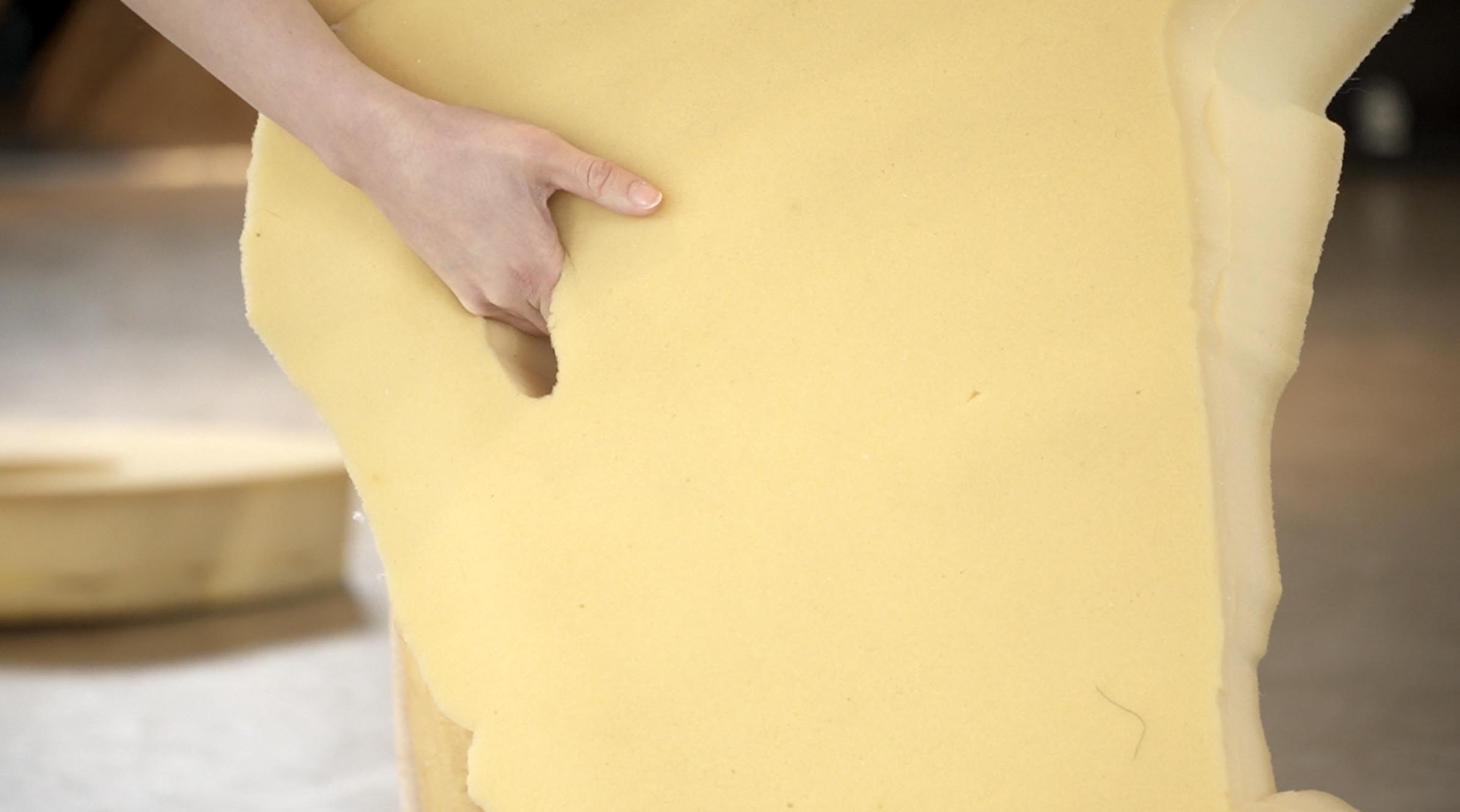
Over time, the skin manifests as an archive: a surface where the world’s resistance settles and stays. Like memory foam, it retains impressions, continuing to register impact long after the pressure has passed. Accumulated tension, friction, and unfulfilled expectations alter the way a body navigates space. An uncomfortable body is not merely one that experiences discomfort; it is a body that can no longer contain the friction of its surroundings without spilling over. Pain, then, becomes a form of leakage, an overflow of a system pushed beyond its capacity.
Messy Gestures
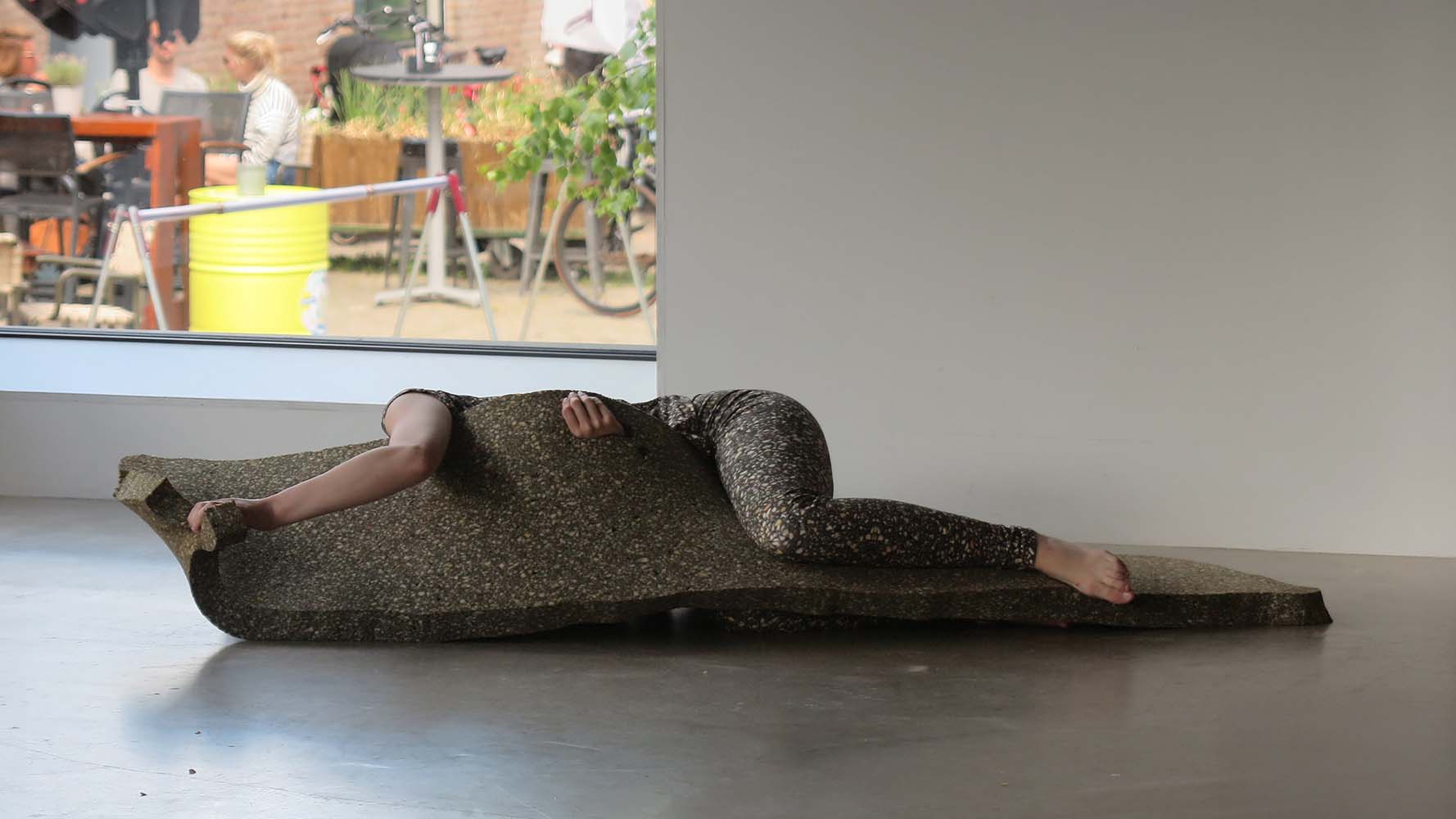
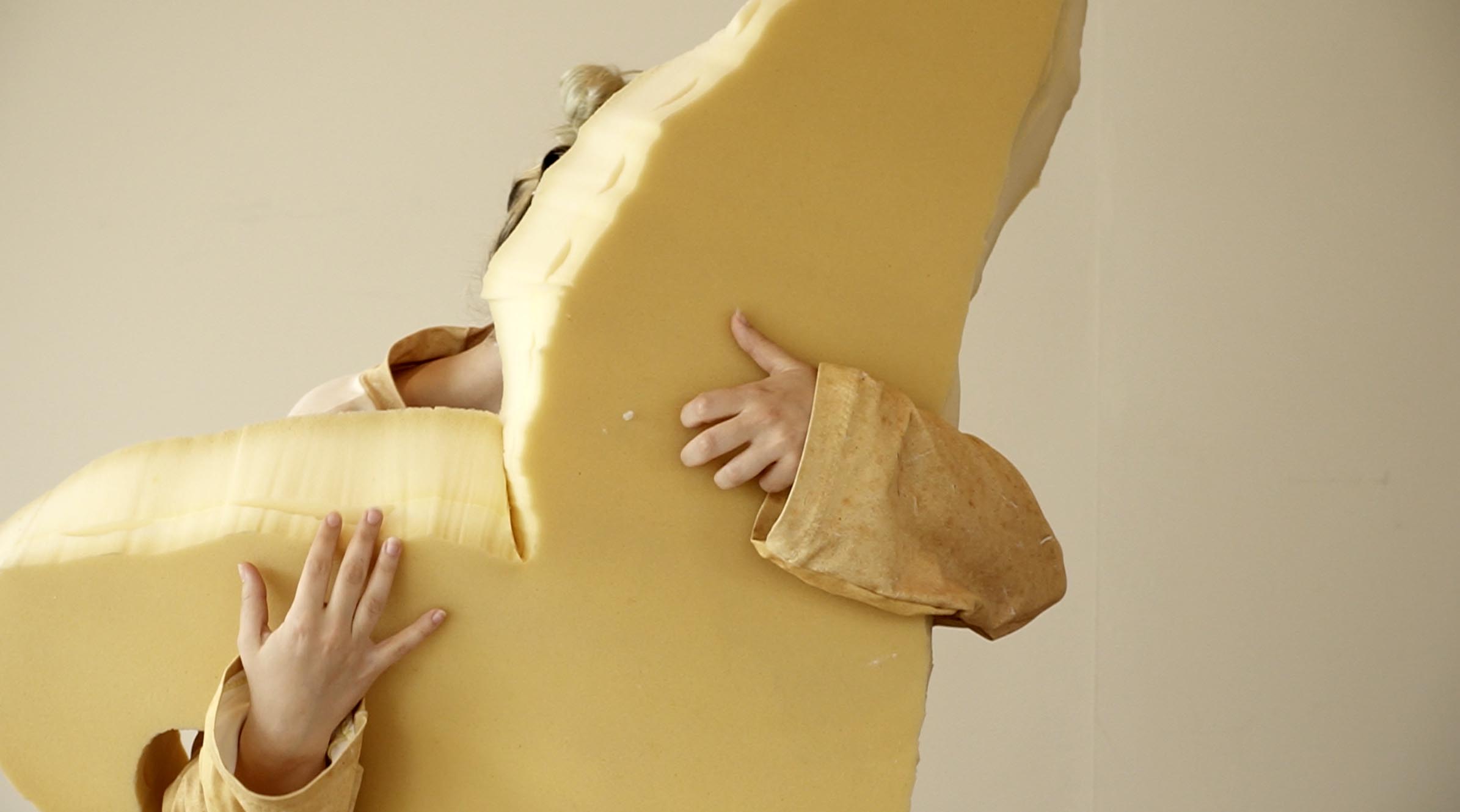
Where this overflow spills into the world, it leaves behind messy gestures: physical movements that resist, stumble, crease, or break off halfway through. These are traces of a body that cannot complete the seamless motions demanded of it. Think of fabric snagging, sculptures sagging, or a gesture cracking open under its own weight. Through these interruptions, the uncomfortable body asserts its presence.
Softness operates here as a disruptive force. It unsettles rigid oppositions and insists on porous boundaries, directly subverting a culture that demands constant composure, self-correction, and capability. Messy gestures do not ‘do things right’ according to that metric. That is precisely where their quiet fierceness lies: they crack the polished surface of efficiency and dismantle the fantasy of tireless creation. Awkward as they may appear, these gestures offer an uncompromised honesty.

Feeling Forward
If this soft body were to speak its unfiltered truth, it would not offer comforting reassurances that ‘everything will be okay.’ Nor would it apologize for wrinkling the social script. It does not ask for pity, nor does it seek admiration through narratives of overcoming. It simply exists and in doing so, it exposes the world for what it often is: an awkwardly designed chair in which we must constantly shift, just to find a bearable way to sit.
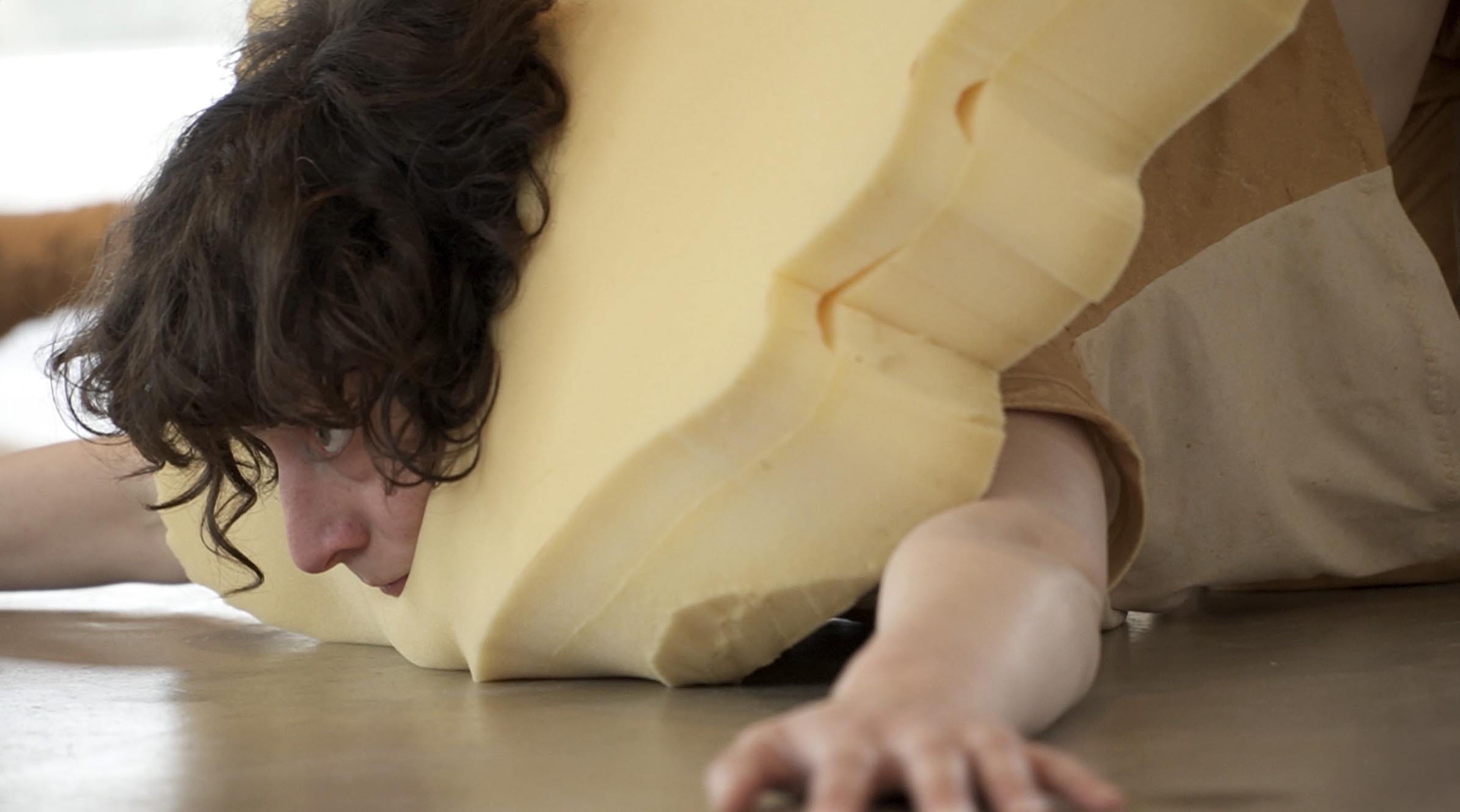
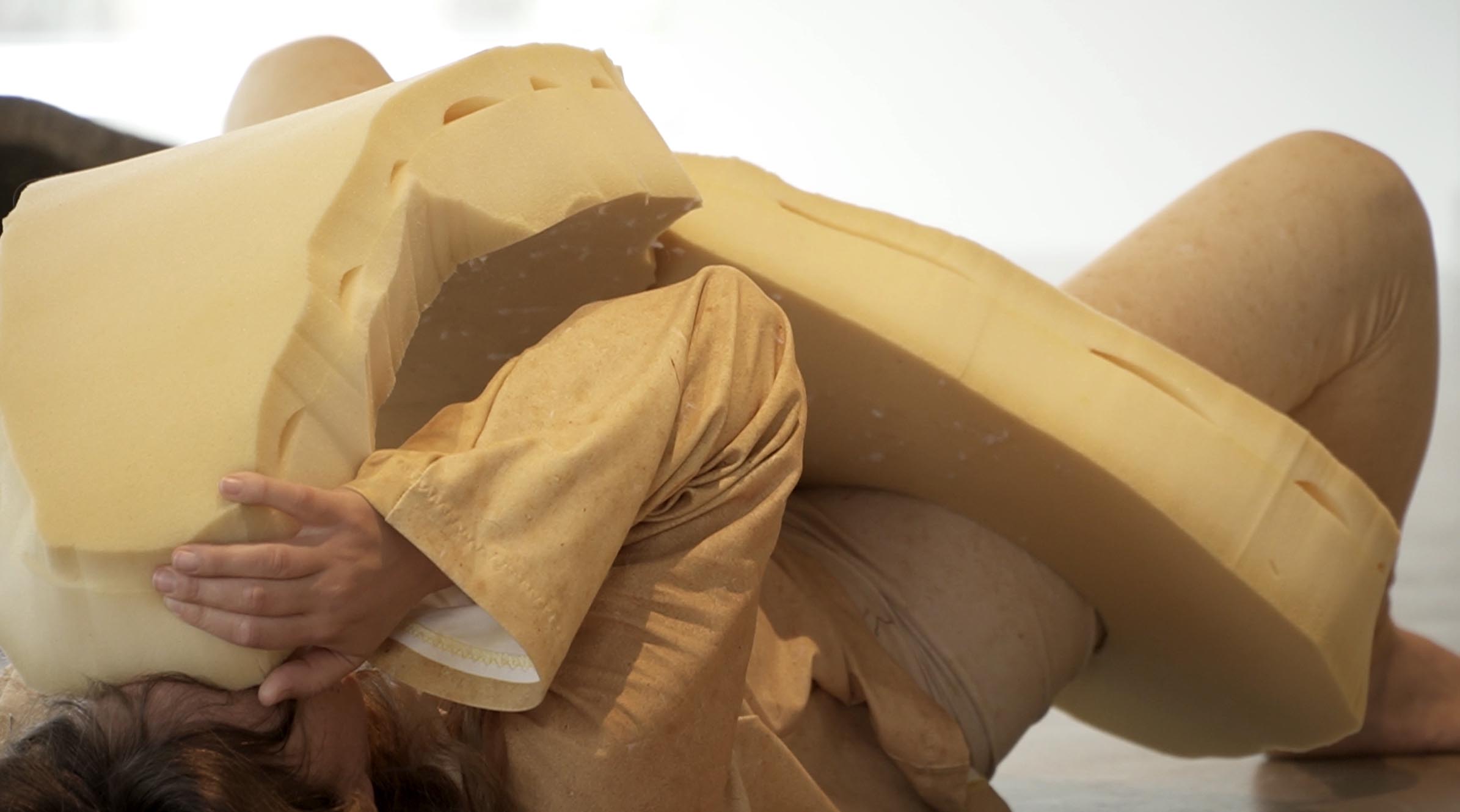

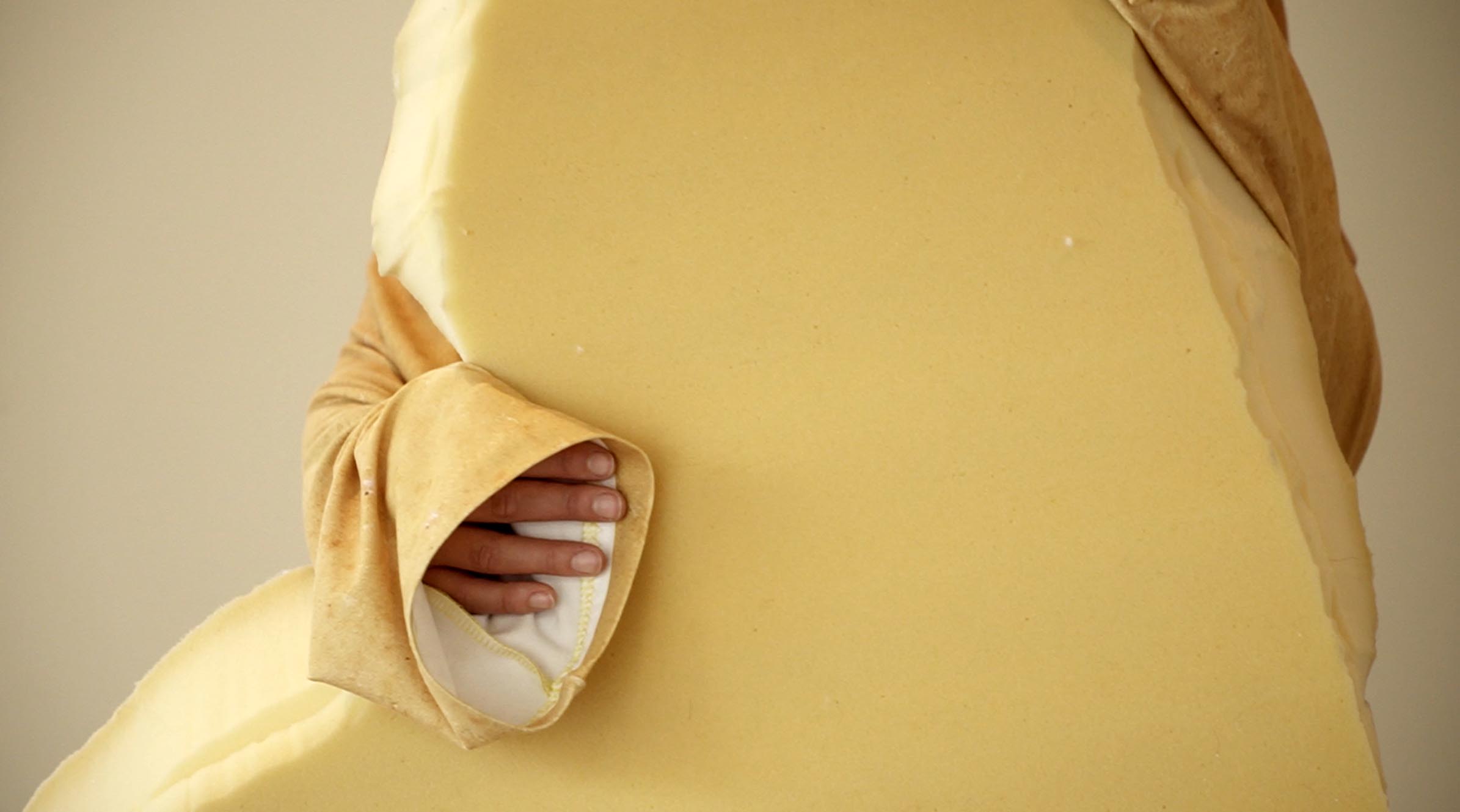
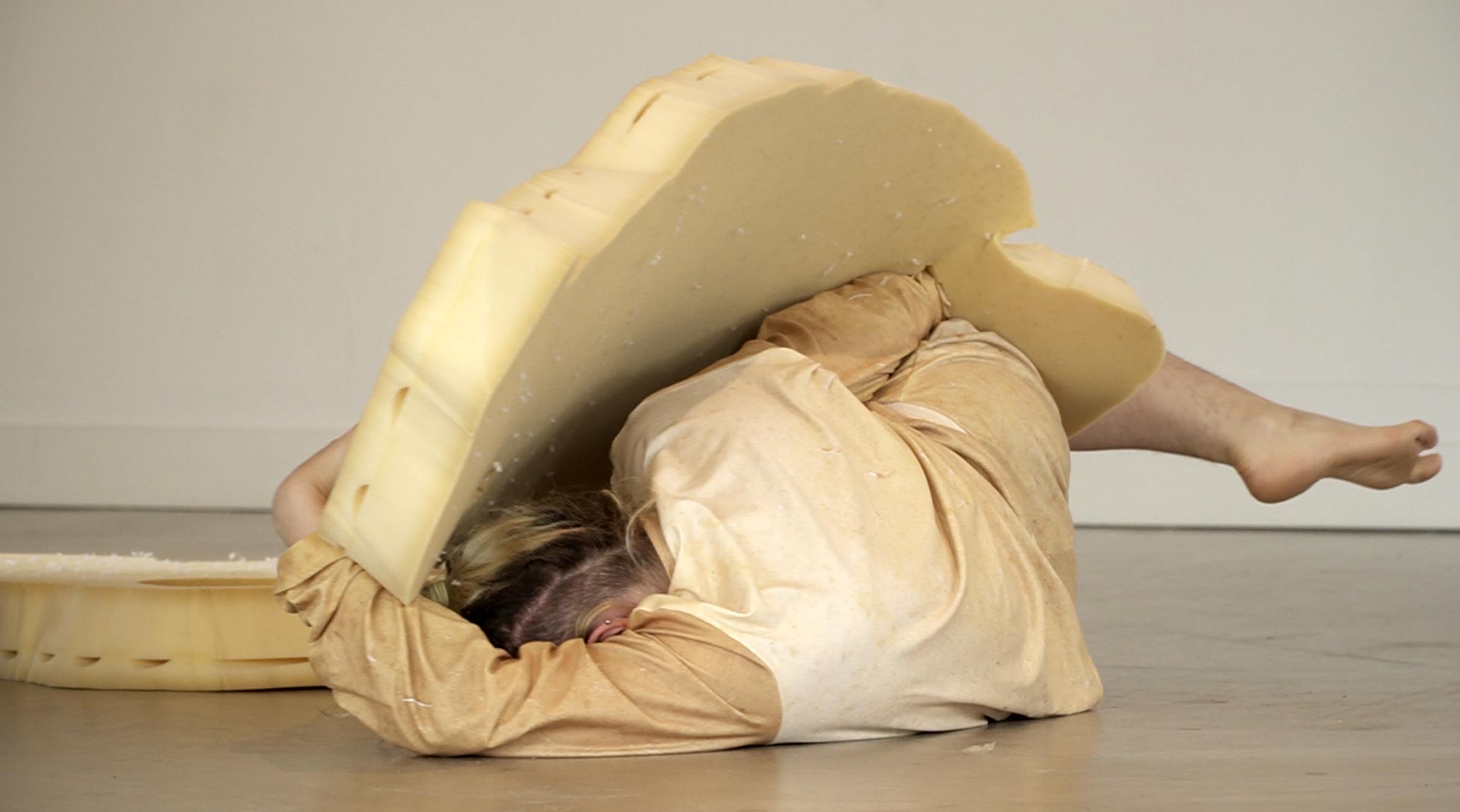
What presses into the skin can leave a permanent mark, reorganizing how a body moves through the world for a lifetime. The soft body is composed of these layered impressions, learning to bend, and sometimes simply breaking. Yet, even within an environment not built to accommodate it, the soft body continues to generate form. It transforms stillness, frustration, and limitation into a means of spatial invention; a survival strategy rendered sculptural.
To give form to discomfort is to construct a shelter. I seek to build such a soft sculpture, not at all as a monument to endurance, but as a spatial intervention that opens up a seat beside itself. Because softness asks for company: to carry, to hold, and ultimately, to feel forward.
