
During the summer of 2026 I was staying on Långholmen, one of the islands of the Stockholm archipelago, as an artist-in-residence at Slipvillan. This artist-run space offers artists the opportunity to spend an extended period developing a project through an engagement with landscape and ecology. My days consist of rather ordinary things. I go for walks, often returning to the same places, recording footage. I regularly let go of all the plans made before. In the studio, I am building a microcosm from cardboard, clay, and bamboo skewers, often incorporating objects found along my walks.
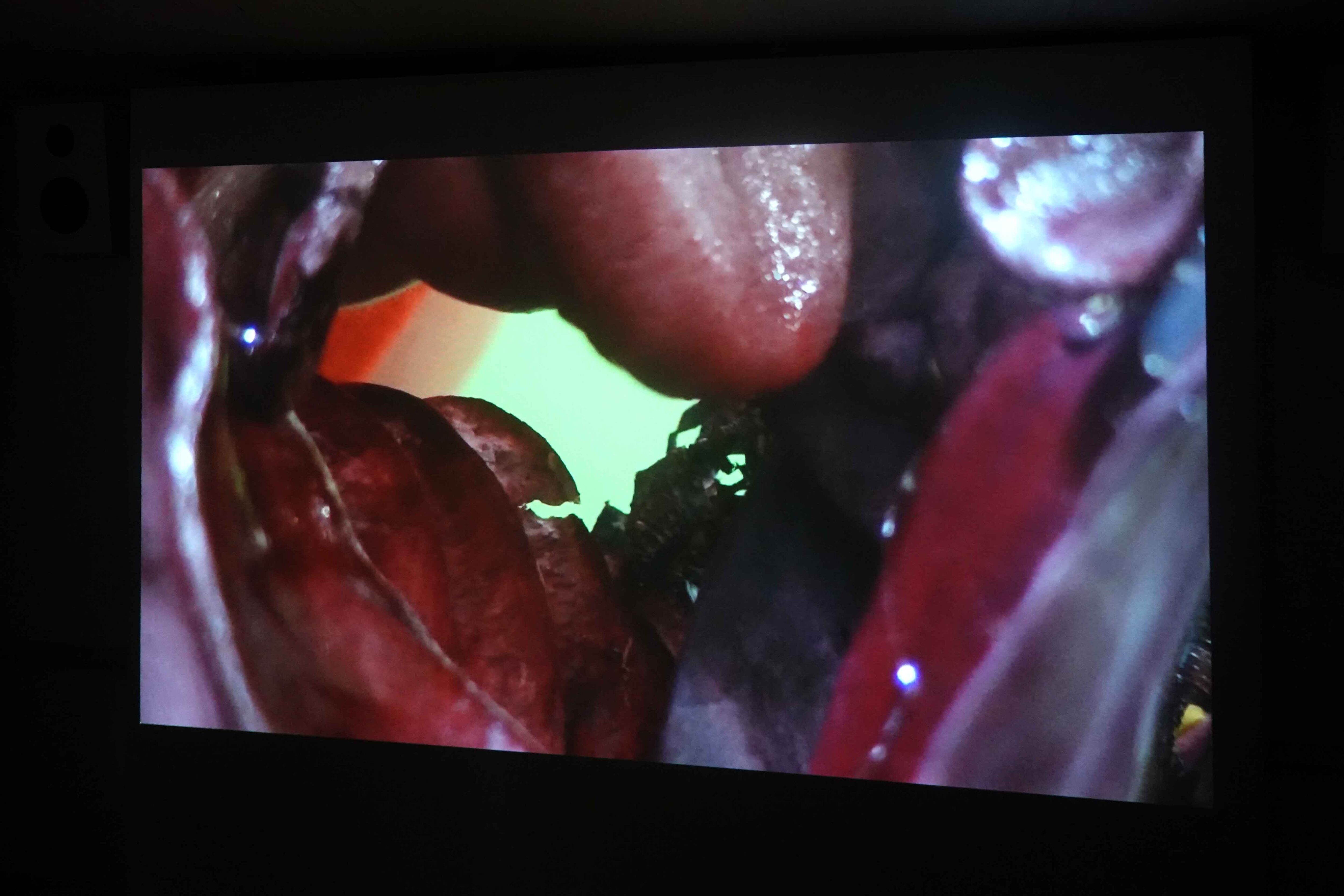
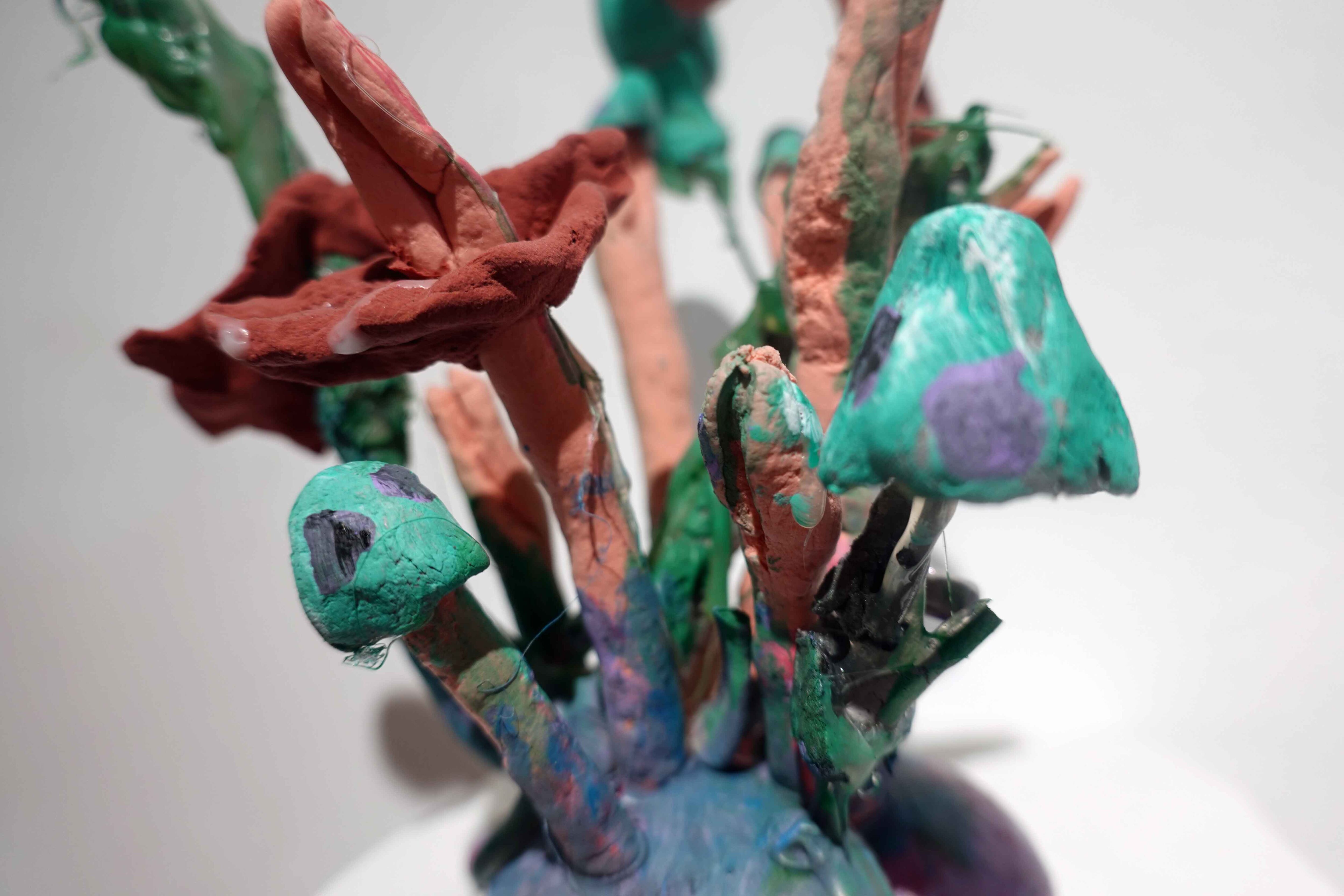
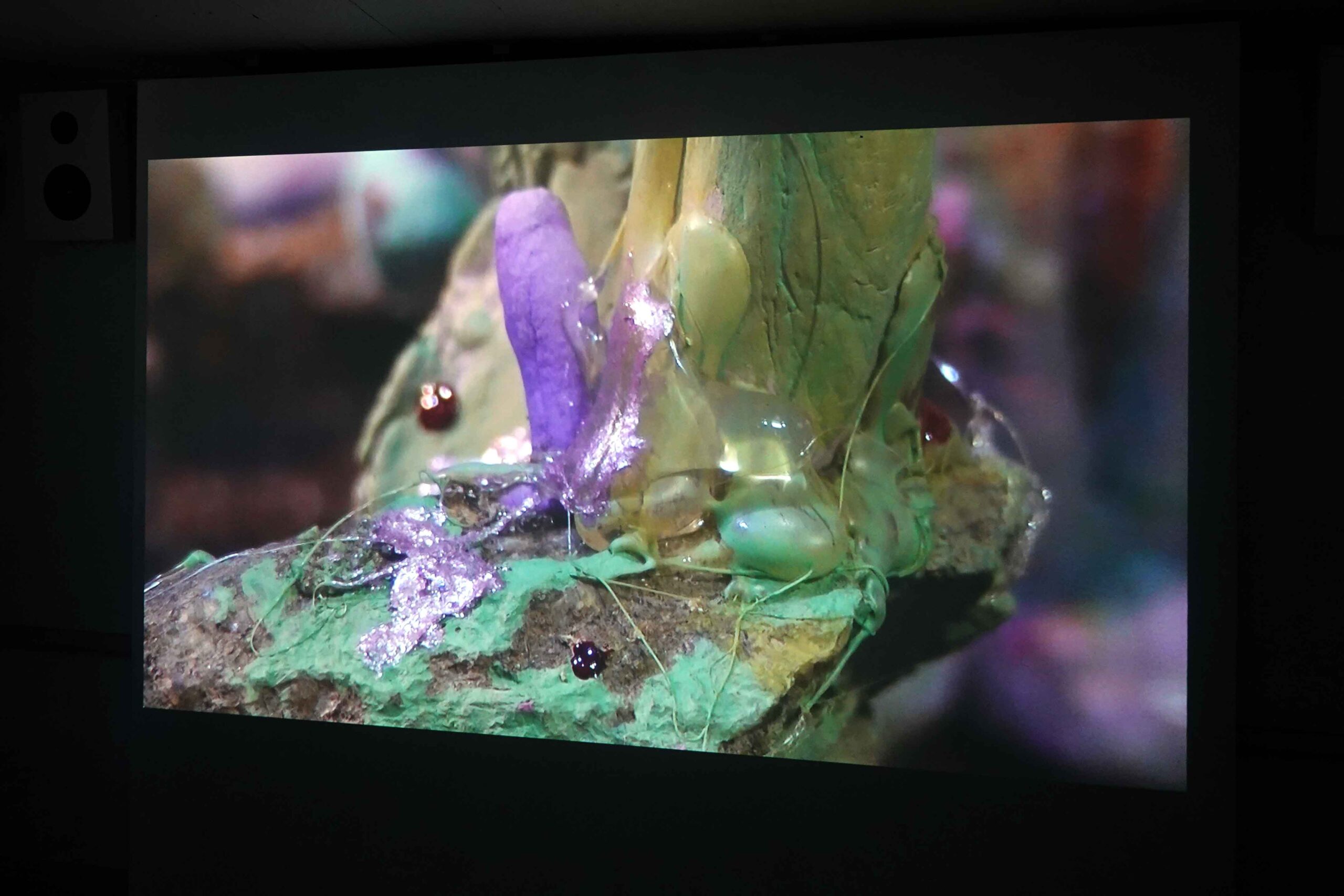
I am thinking about ways of being present within this environment. Perhaps daydreaming with eyes wide open in a more or less ‘fantastic’ way, though never treating the landscape as a backdrop. I keep returning to Heidegger’s being-in-the-world, which is not so odd, perhaps, since I finally found time during my first days here, to read some books I wanted to for years. Thus, the notion of being-in-the-world as an ongoing task moves to the foreground. How am I to be myself, here and now, in this particular place, on this island, in this forest, in a landscape so vast that it continually calls me to rethink what it means to carry out my existence ‘in’ and ‘of’ something inseparable, without constantly falling back on familiar images, expectations, digital distractions, or false certainties? These questions need no definitive answer. Even if I could provide one, I doubt it would produce anything remarkable. My own way of thinking is by way of making after all.

Throughout this process, a figure began to surface within my thoughts. At first, she appears to be a heroine, yet the word begins to chafe as soon as it presents itself. Perhaps she is nothing more than an idea that temporarily requires a body to become visible. Alongside her unfolding contours, my thoughts drift toward her mirror image: the classical hero, or rather, the heroic tradition itself, built around a figure whose silhouette has long been imagined taking shape against the world, distinguishing itself from it. He overcomes obstacles, defeats enemies, and bends history to his will through decisive action and autonomy. His greatness is measured by his exceptionalism.

Contemporary female heroes inherit often this very same structure. Figures such as G.I. Jane, Sarah Connor, Ripley, and Furiosa negotiate, each in different ways, a position historically reserved for men. Their heroism still depends upon a mirror image of discipline, strength, resilience, and endurance. Once they successfully embody this, they are celebrated: they are formidable, composed, victorious. And let’s not forget they are hot. The question, therefore, is not whether women can become heroes, but whether heroism itself demands another imagination. Perhaps the tragedy does not lie in the historical exclusion of women from the heroic tradition, but in the heroic tradition itself.

Consider, then, the Greek tragic hero. Why do I think he tragic? Because in his greatness, he forgets only one thing: his own mortality. His downfall is the direct consequence of denying it; he forgets his own measure through excess. Our current era is perhaps the ultimate expression of this hubris: the delusion of a civilization convinced that everything can be measured, engineered, controlled, optimized, and accelerated, refusing to concern itself with the finitude of its own existence while seeking distraction through spectacle, productivity, social media, and endless travel. What is this, if not the denial of a limit that has long since been reached? Within this condition, I am constantly confronted by that reoccuring fundamental question: how am I to exist within this world? I search for answers through making. And through my most recent work, I search for another mirror image of the hero.

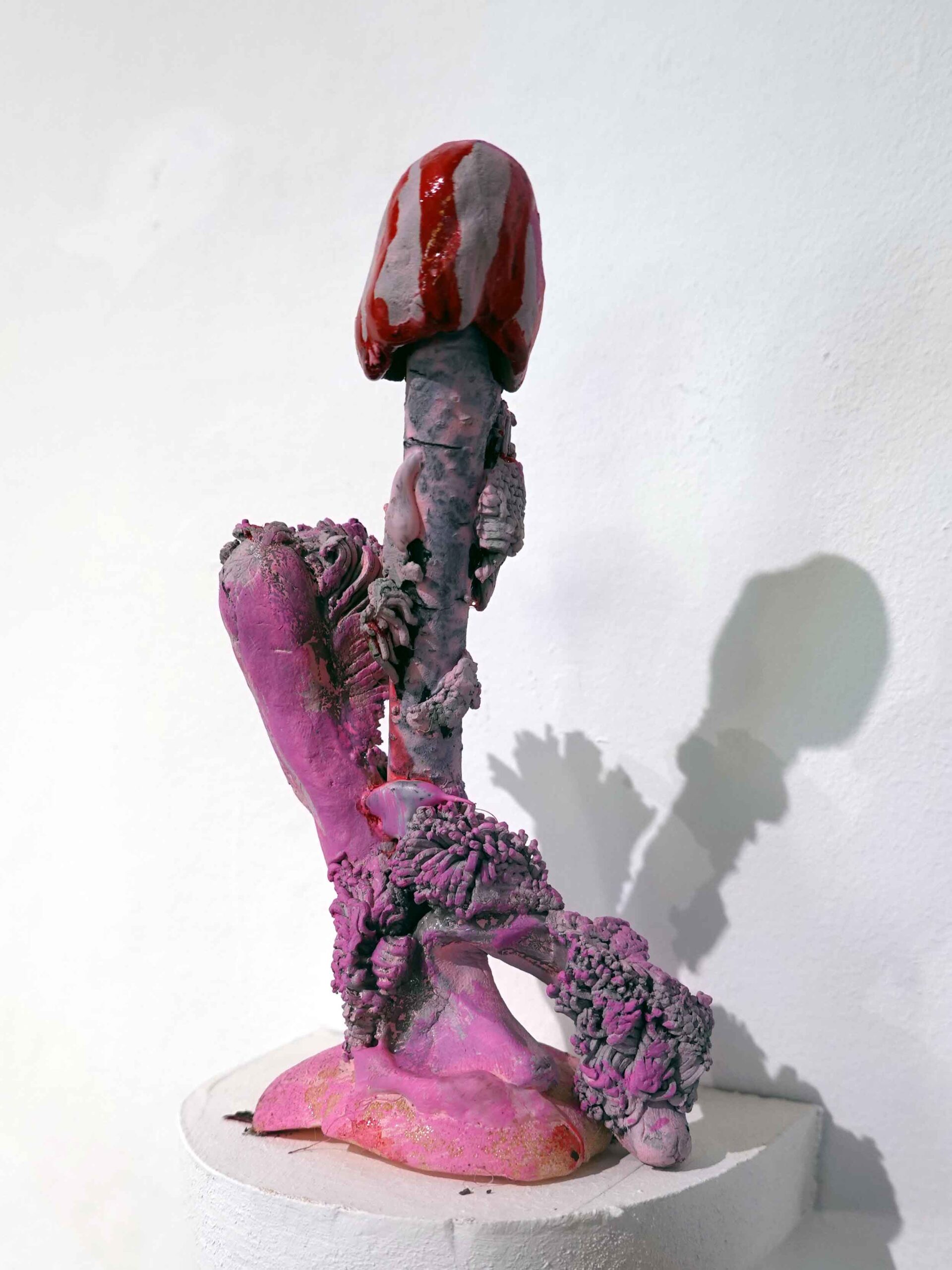
What kind of hero becomes imaginable once catastrophe itself proves to be the point of departure? The figure begins to emerge clearer. For now, I call her the heroine, not because she is a woman, but because the feminine has historically been excluded from the heroic narrative, making her a necessary figure to gnaw away at, undermine, and dismantle the established framework from within. In truth, however, this figure is not simply a female version of Achilles. His model of heroism no longer functions within an ecologically entangled world where everything depends upon everything else. So she arrives to signify his end. Ultimately, what is at stake for her is the dismantling of the category of the hero as constructed within the Western tradition, though this is not her endgame. She is preparing to do something else entirely.
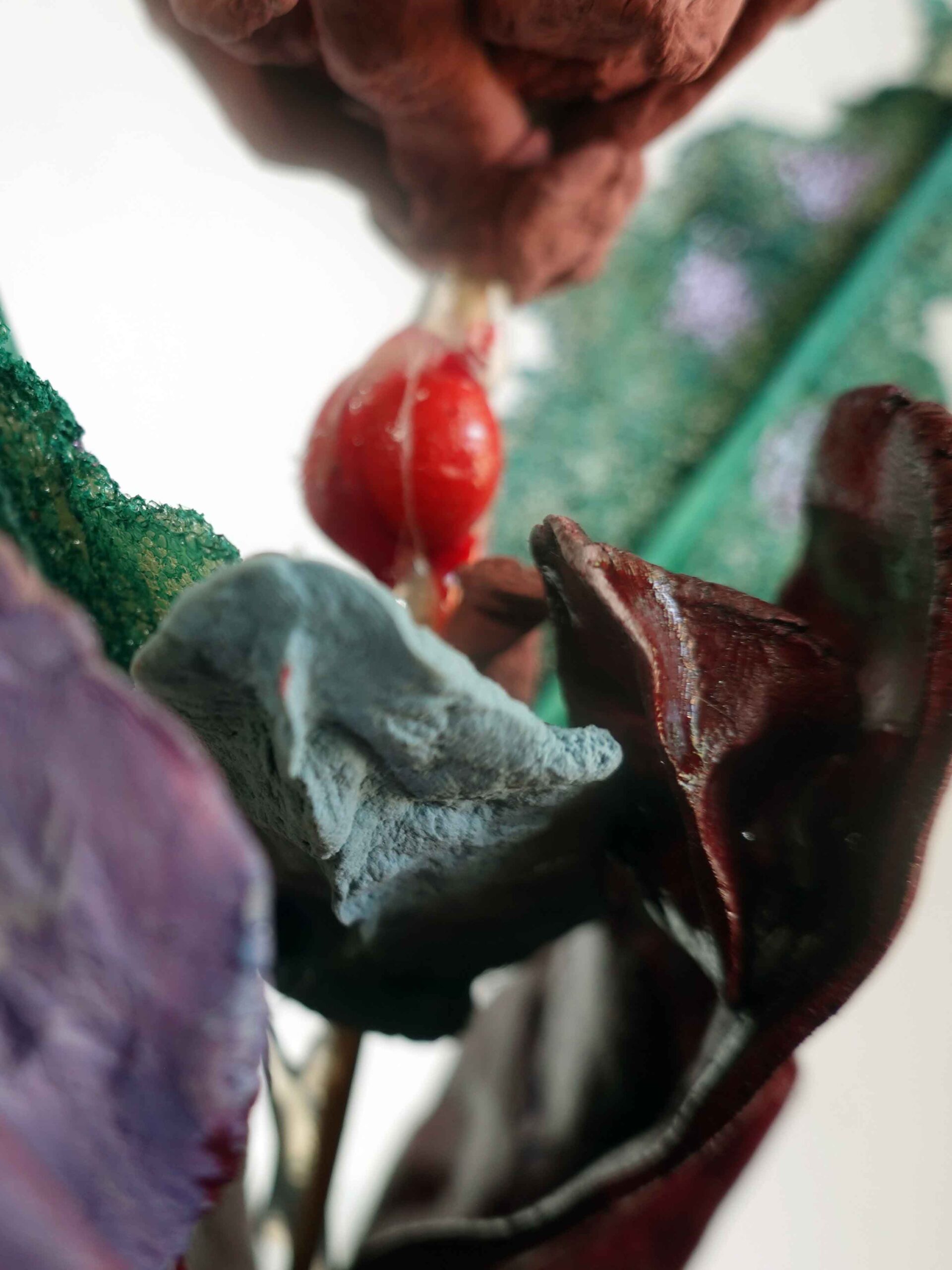

What defines her is the explicit acknowledgment of her entanglement with the world. She remains connected to it as if by an umbilical cord; she does not tower above it. In this sense, she is truly ‘in’ and ‘of’ it. The world she inhabits is a post-apocalyptic terrain in which every battle has already been fought. She has nothing to add to this stage, nor does she harbor the illusion that anything should be added. She is not nature’s savior, nor is nature the backdrop against which she appears. She does not stand before the landscape; she is absorbed into it. She is landscape, organism, body, plant, machine, and human all at once. Her singularity arises precisely through her relationship with the environment, granted to her by the world itself. The only question that concerns her is how she is to give shape to her being-in-it. This is her existential task, and she does not take it lightly.
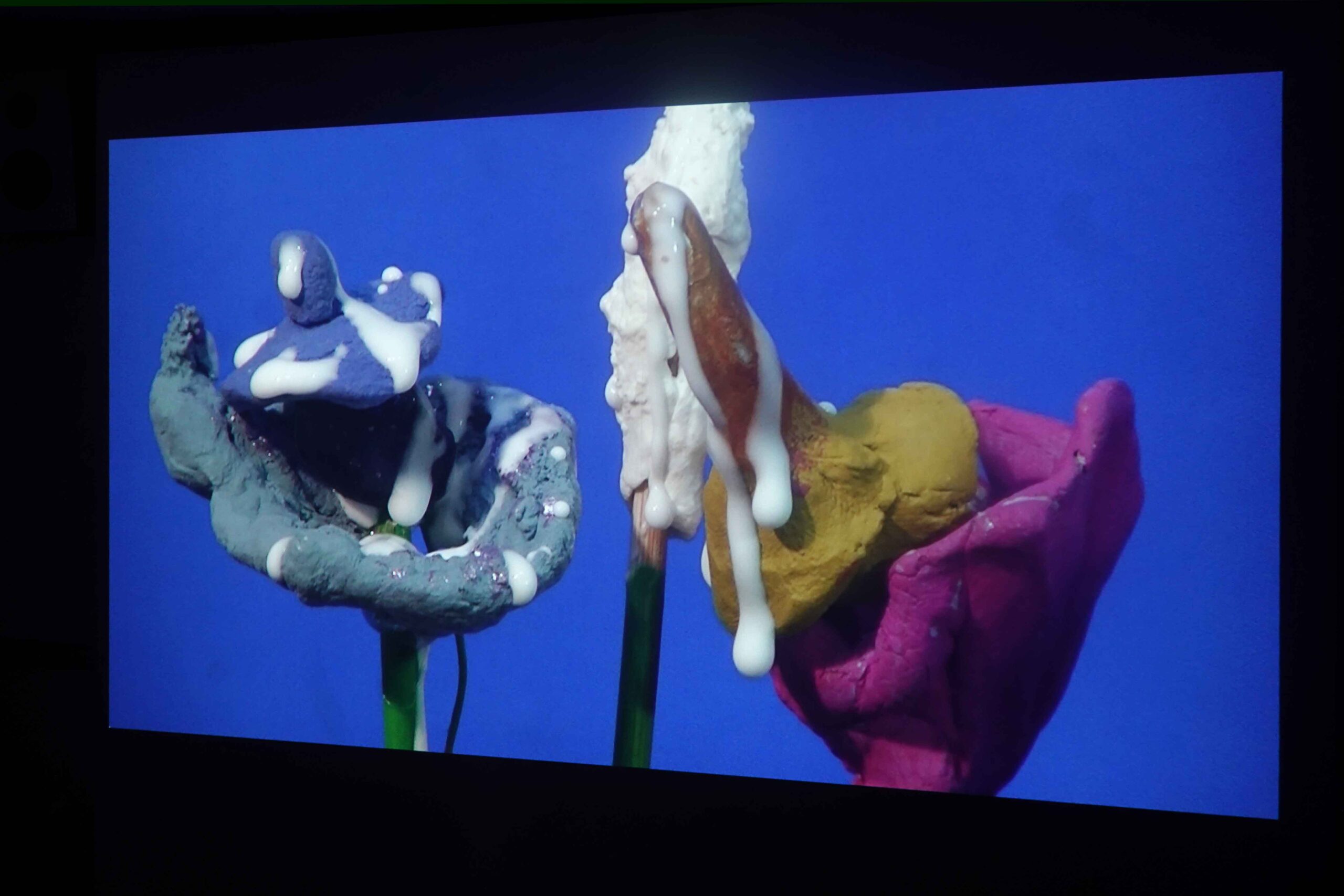
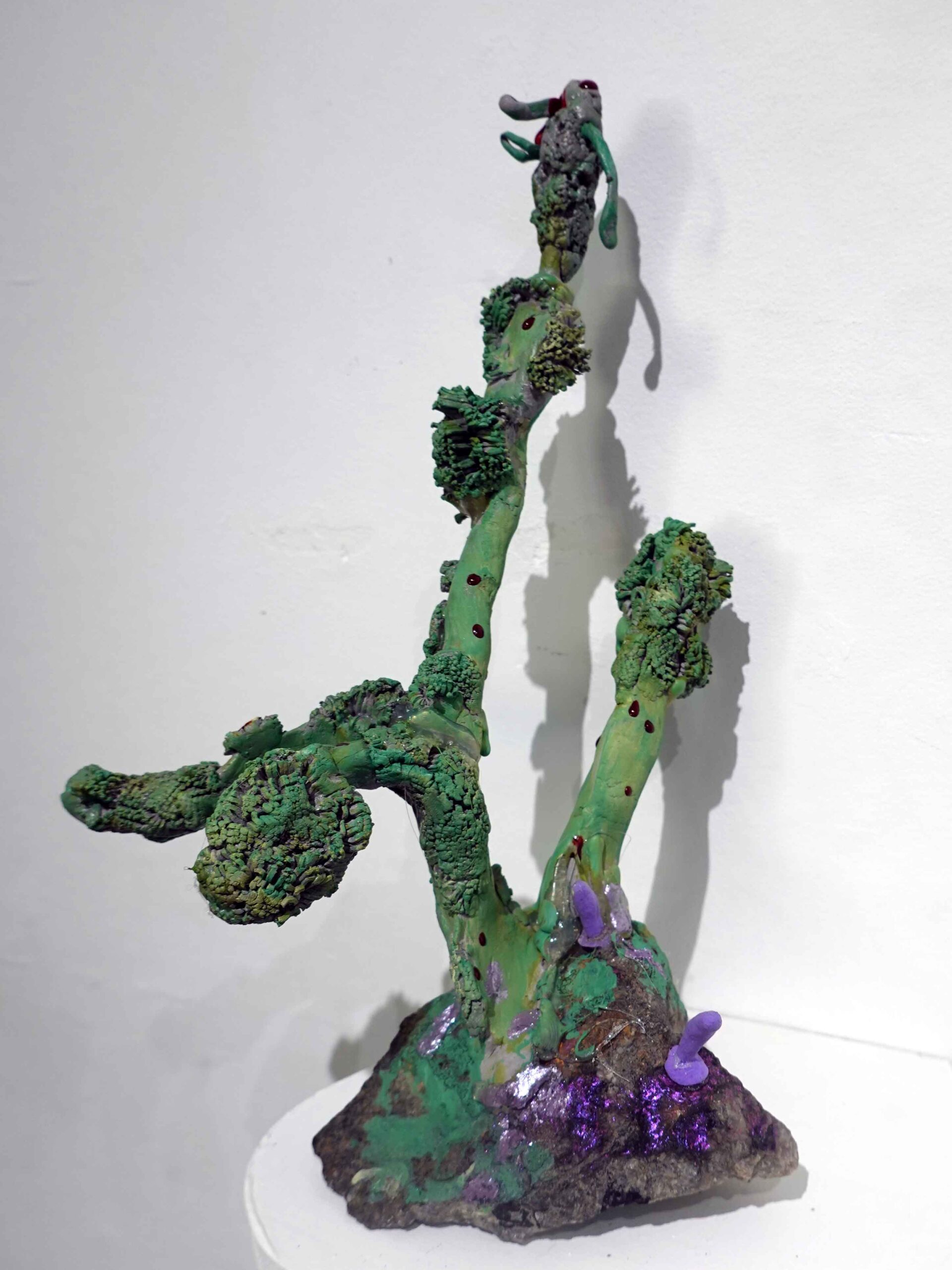
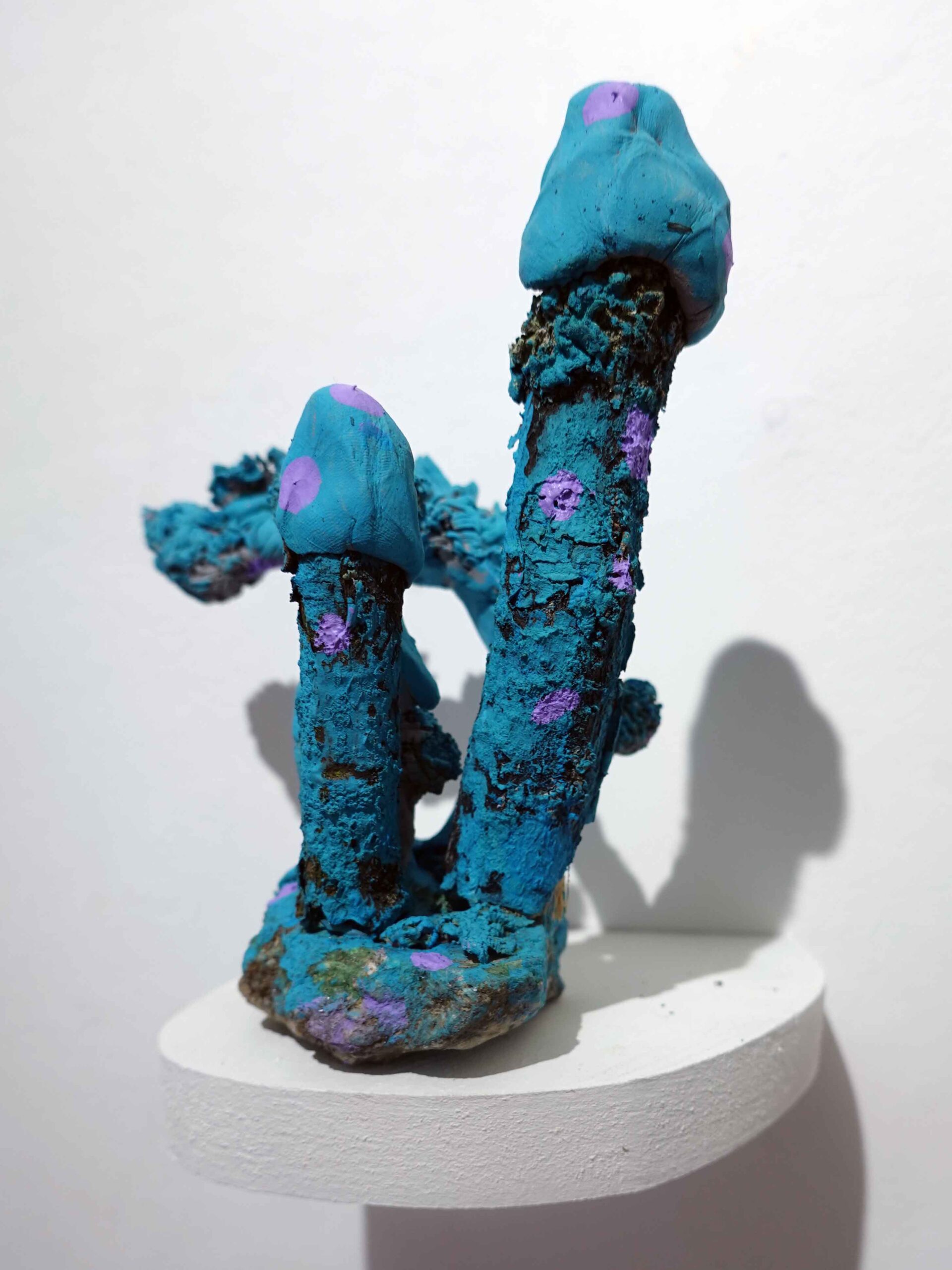
She carries no weapons, yet she takes matters into her hands. These become simultaneously prosthesis, ornament, bodily extension, sculpture, plant, parasite, growth, and threat. These protrusions expose not the power of the phallus, but its fundamental instability. What has traditionally functioned as a symbol of domination begins to mutate. The poses she adopts turn what was once understood as authority into choreography, repetition, performance, quotation, and citation. Her body merely rehearses heroism: it harmlessly performs it, tests it, and imitates it, until it becomes faintly ridiculous. She embodies sincerity and parody at once, revealing gender as something continuously staged and repeated. Even in her full presence, this hero remains precarious. She refuses to become yet another ideal, replacing the very monument she has just toppled.
My hero appropriates her own fragile existence. Existing beyond rigid categories, she inhabits a damaged world without attempting to restore artificial boundaries, wandering across the scorched plain of whatever remains. She does not save the world; she is simply entangled in its collapse. Indeed, the distinction between the two has dissolved. She is not a new archetype, but the sign that the hero belongs to an extinct species. She reveals that the heroic tradition was inherently tragic from the start. For the hero who set out to save the world never paused to ask whether he himself could be saved. He had been oblivious to the fact that long before catastrophe arrived, he had already become part of it.
Perhaps every speculative figure is merely a rehearsal: not to save worlds, but to imagine another way of inhabiting this one. Sometimes a thought requires a body to take shape: a figure that ultimately dissolves into camouflage, at the end of all ends.
